Sub-Total: $0.00
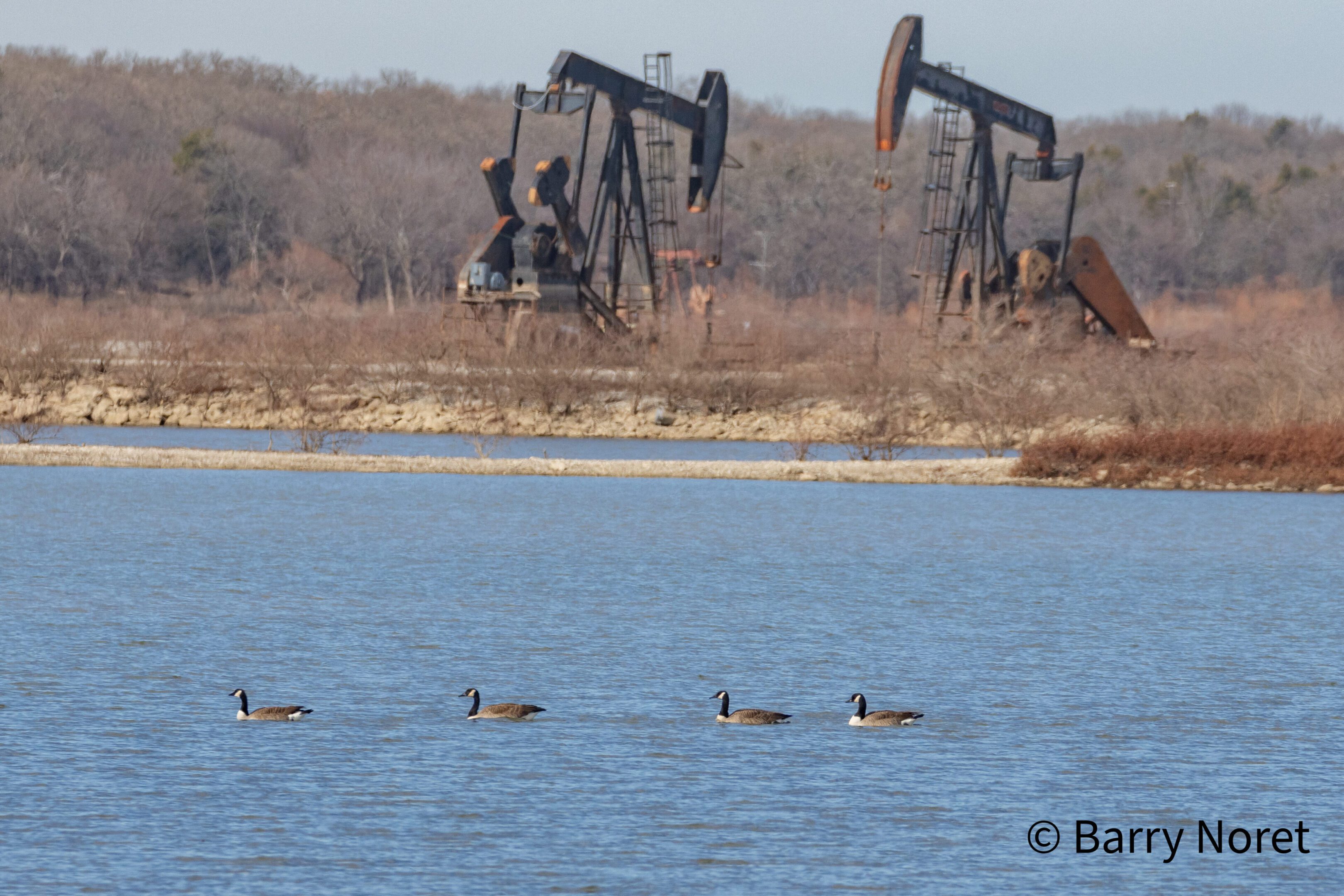
Discovering the Wonders of Hagerman National Wildlife Refuge: A Birder’s Winter Paradise
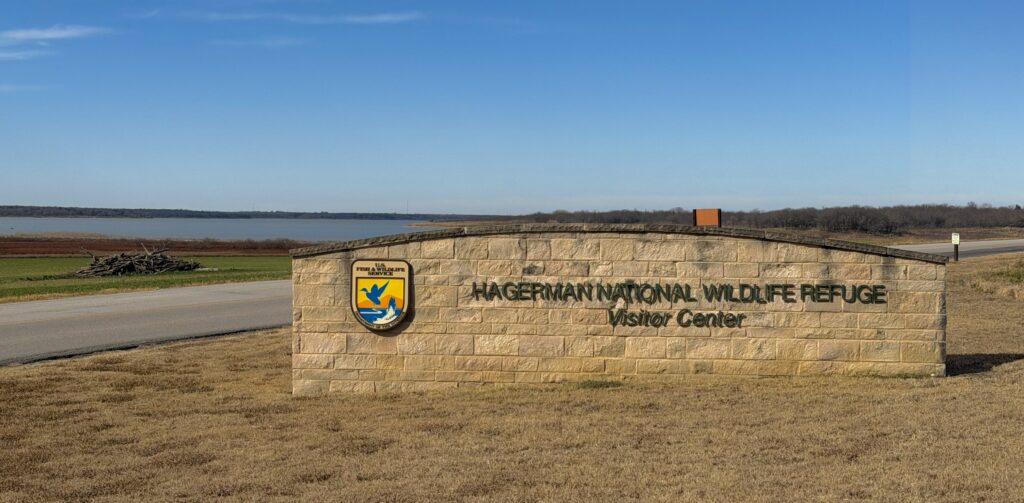
Hey there, fellow bird enthusiasts! I’m Barry, and I just had an incredible experience this week at Hagerman National Wildlife Refuge up near Sherman, Texas. (Quick tip before we dive in: It’s pronounced “HAG-er-man,” with a short “ag” sound like in “bag,” not a long “hay” like some folks guess. Locals and regulars will give you a knowing nod when you get it right!) As someone who’s always on the lookout for great birding spots in our state, I can tell you this place is a gem—especially in the winter months. I was lucky enough to tag along with the weekly bird survey team, counting species across the refuge’s vast landscapes. It was a chilly January morning (we’re talking January 2026 here), but the excitement of spotting migrating flocks made it all worthwhile. If you’re into birds, nature, or just a peaceful escape, Hagerman should be on your list.
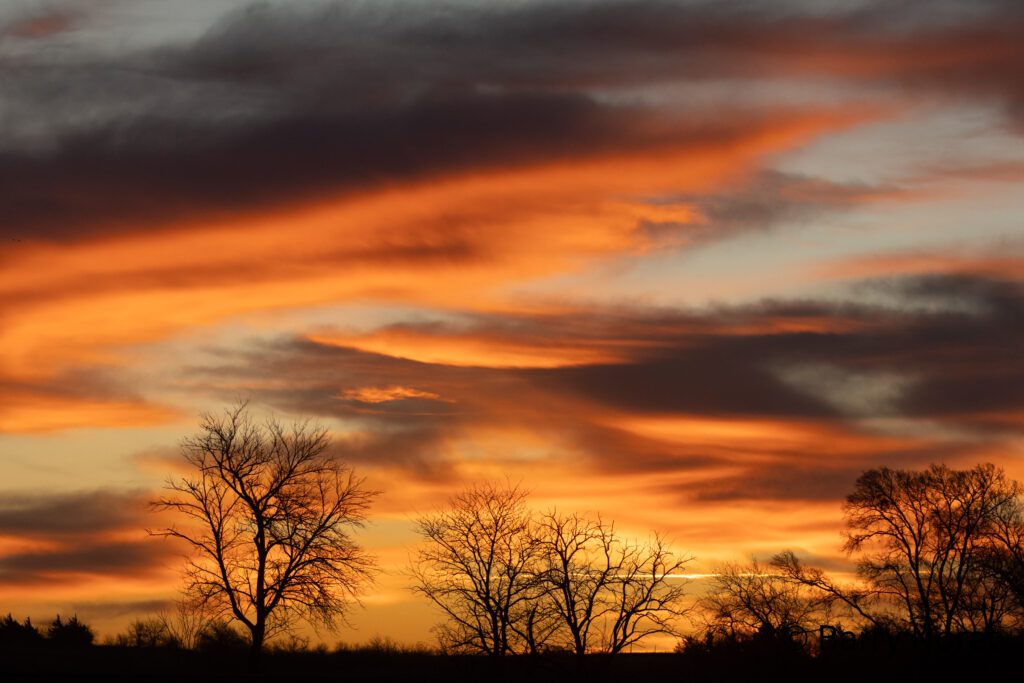
Joining the Bird Survey: A Guided Adventure with a Legend
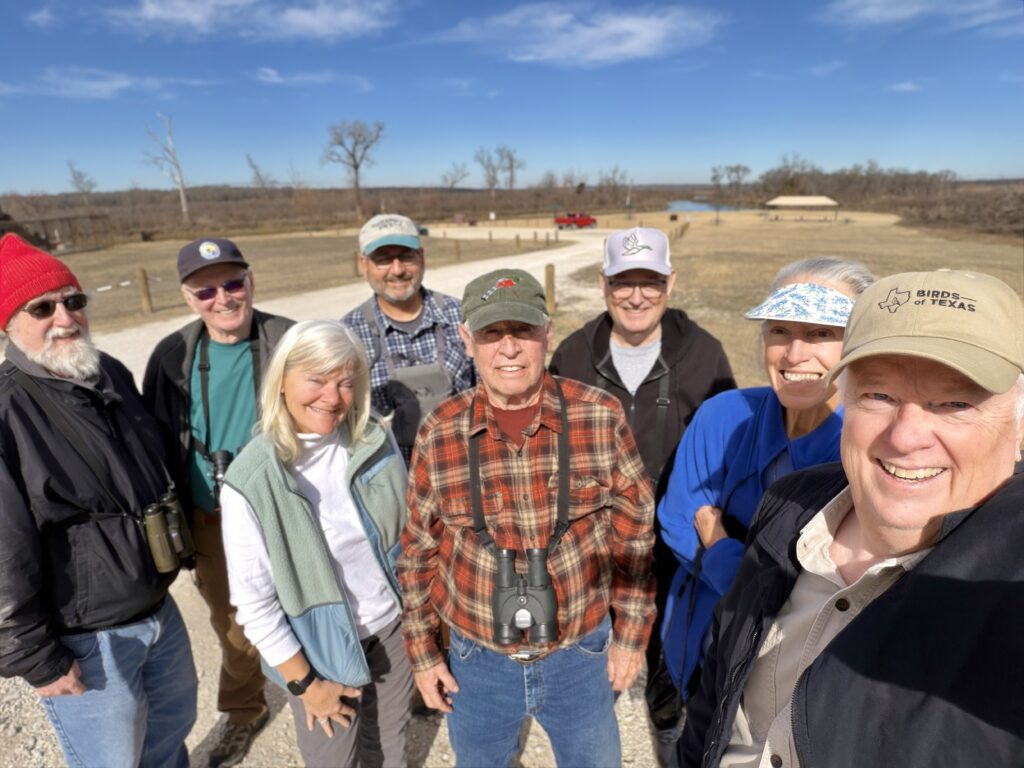
What made this visit truly special was getting to join the refuge’s weekly bird census. Led by the incomparable Jack Chiles, a Master Naturalist who’s been at this for an impressive 37 years, the team traverses miles of roads and trails to document every feathered friend they encounter. Jack’s knowledge of the birds and the refuge itself is unmatched—he can identify a call from afar and share stories about how the ecosystem has evolved over decades. It’s not just a count; it’s a lesson in conservation and appreciation. If you’re interested, these surveys happen regularly, and they’re a fantastic way to contribute to ongoing data collection while learning from experts like Jack.

A Brief History of Hagerman: From Ancient Lands to Modern Sanctuary
Hagerman National Wildlife Refuge has a rich backstory that adds depth to every visit. Established in 1946 as part of the Denison Dam and Lake Texoma flood-control project, the refuge was created to provide vital habitat for migratory birds, wildlife, and native plants. Spanning 11,320 acres along the Big Mineral Arm of Lake Texoma on the Red River border between Texas and Oklahoma, it encompasses a mix of wetlands, marshes, uplands, grasslands, woodlands, and croplands.
The land itself holds layers of history. Long before it became a refuge, it was used by the Caddo Indians. In the 1800s, it saw the development of a small town called Steedman, named after a local judge, and parts were farmed or even tied to railroad surveys. (The name changed to Hagerman in 1909 to honor railroad attorney James Hagerman.) Today, it’s managed by the U.S. Fish and Wildlife Service, focusing on conservation in the Central Flyway—a major migration route for birds heading south for the winter.
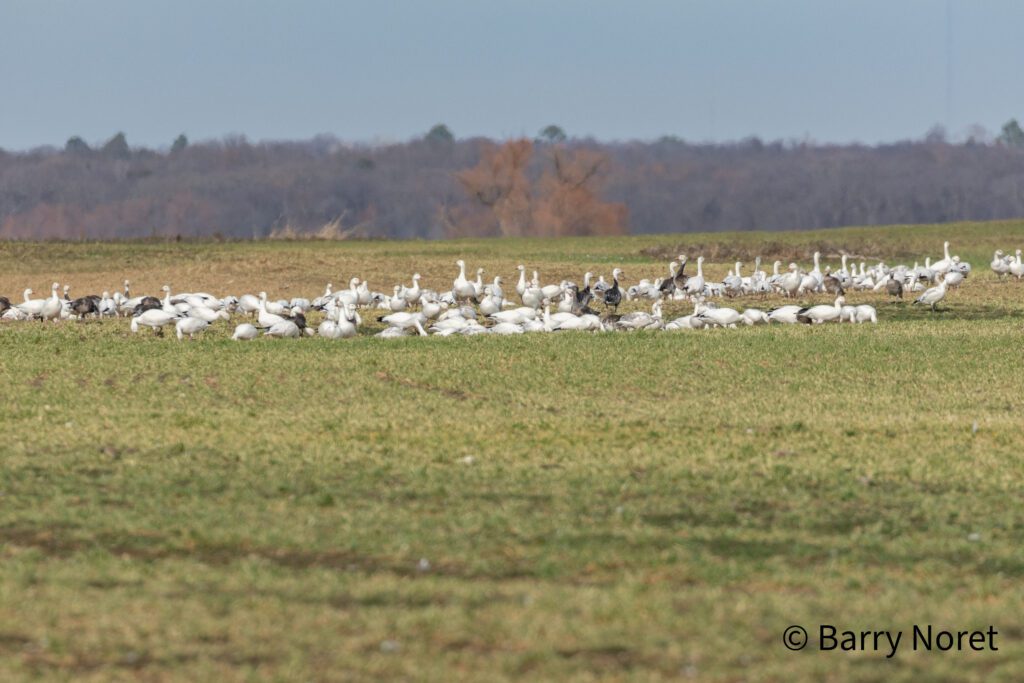
Snow Geese: The Stars of Winter at Hagerman
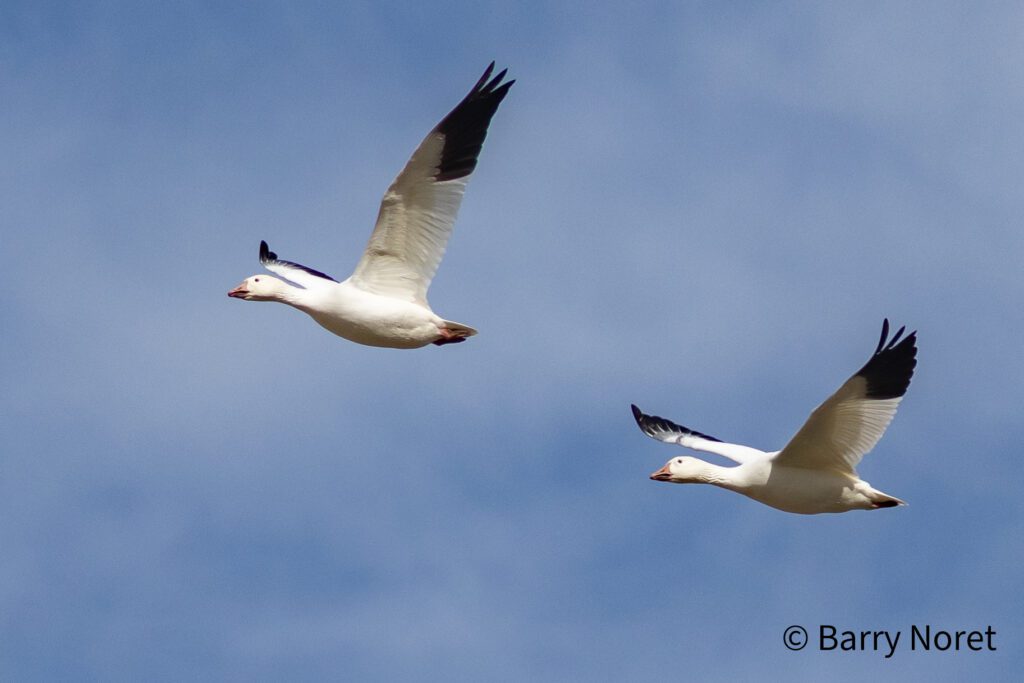
One of the biggest draws to Hagerman during the colder months is the massive influx of overwintering Snow Geese (and their smaller cousins, Ross’s Geese). Every winter, thousands of these beautiful white birds migrate from their Arctic breeding grounds to feast and rest here, turning the refuge into a birder’s hotspot from fall through March. The sight of them blanketing the fields like a living snowstorm is unforgettable—it’s like nature’s own symphony as they take off in unison.
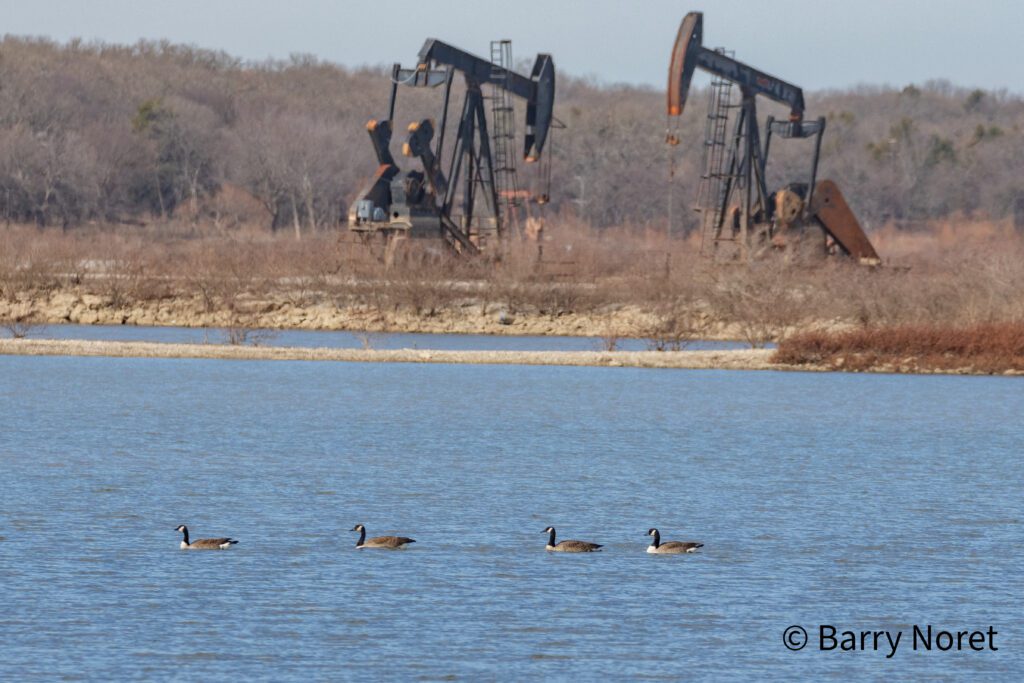
To support these visitors, the refuge plants large plots of winter wheat (along with other crops like millet and corn) specifically as forage. This year, they’ve dedicated hundreds of acres to ensure the geese have plenty to graze on, mimicking natural grazing like cattle. By late February, the wheat is usually devoured, signaling the birds’ northward journey. But until then, it’s prime time for spotting not just geese but also other waterfowl like Canada Geese, ducks, and even bald eagles soaring overhead.
Why You Should Visit Hagerman This Winter
My time at Hagerman was a reminder of why Texas is such an amazing state for birding. Whether you’re a seasoned pro or a newbie with binoculars, the refuge offers hiking trails, wildlife observation points, and even fishing or hunting opportunities (with permits, of course). It’s accessible, family-friendly, and just a short drive from many parts of North Texas. If you’re in the Georgetown area like me, it’s worth the trip—pack a thermos of coffee and prepare to be amazed.
Have you been to Hagerman? Share your stories (and how you pronounced it the first time!) in the comments below, and let’s keep the conversation going about our feathered friends in Texas. Until next time, happy birding!
Many Thanks to Jack Chiles, Mike Petrick, and the rest of the team for allowing me to tag along!
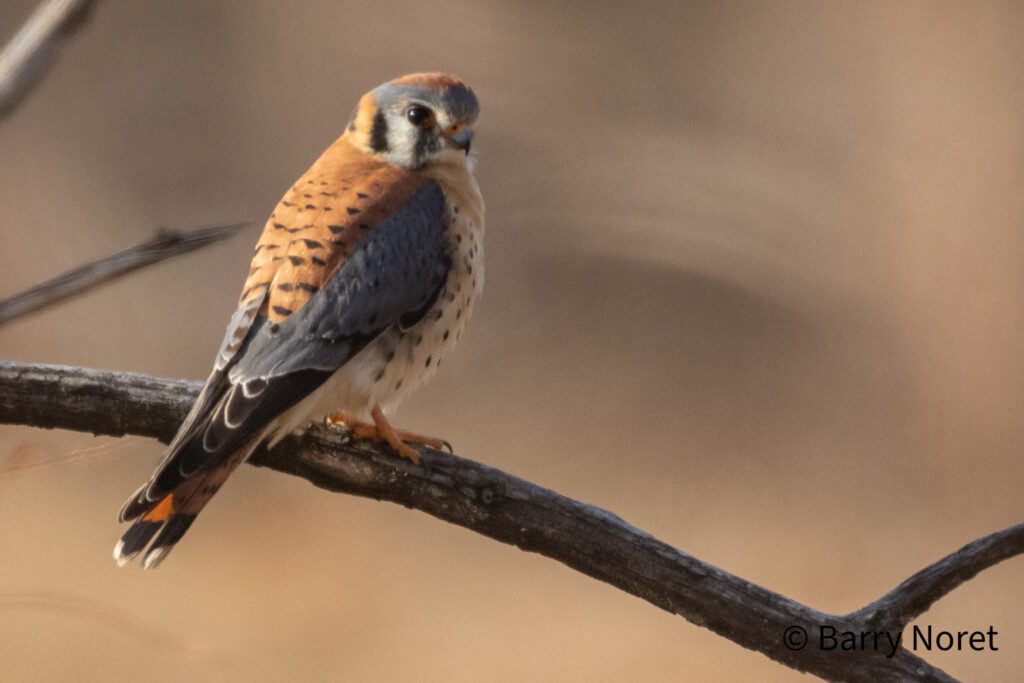
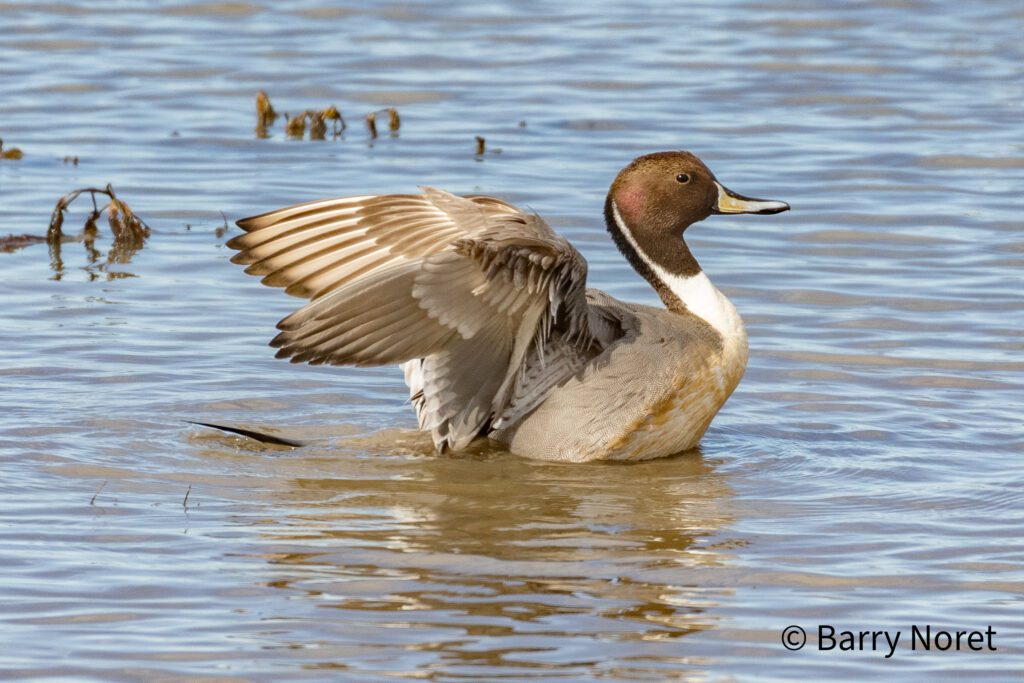
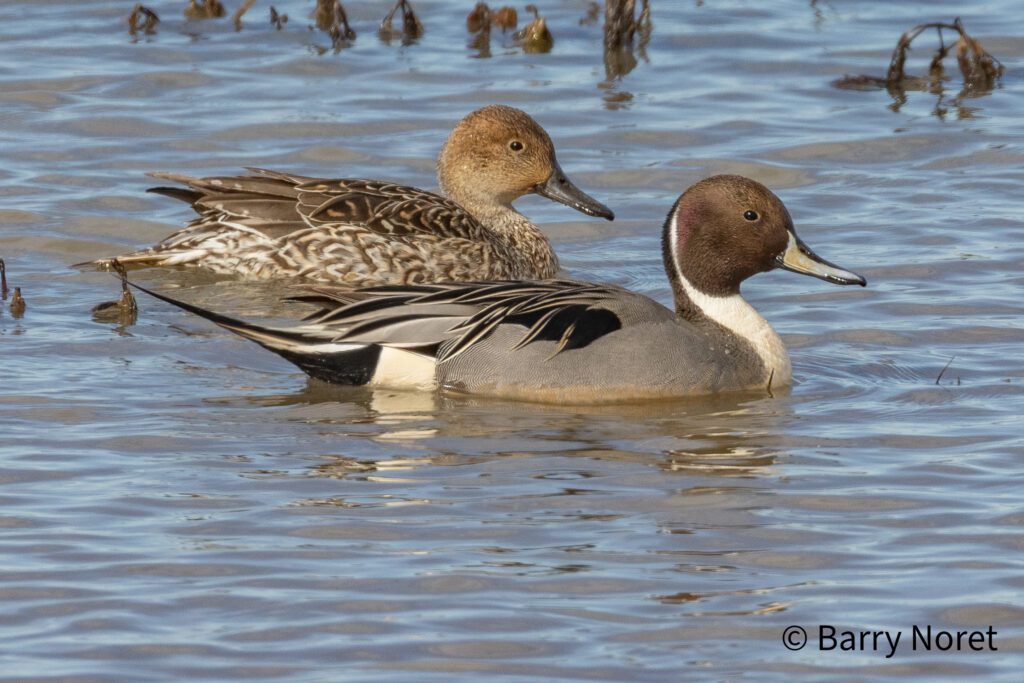
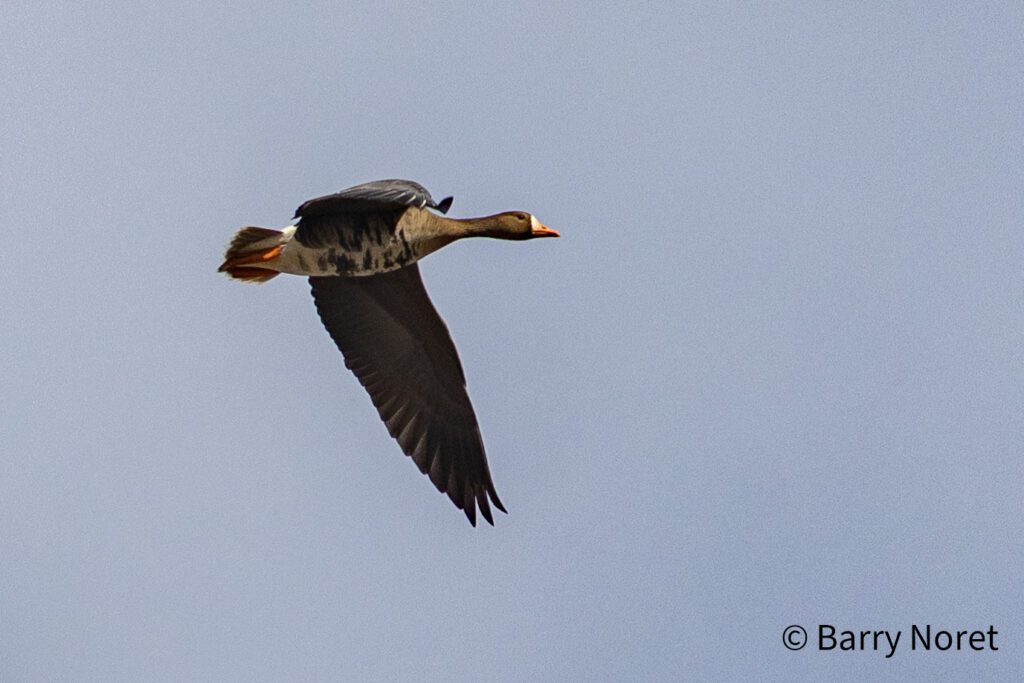
More Pics from my visit: