

Sub-Total: $0.00
My Journey to Becoming an Avid Birder: From Iowa Roots to Texas Birding Adventures
As a lifelong nature enthusiast and now the proud curator of the Birds of Texas community, I’ve spent countless hours chasing feathers across the Lone Star State. But my passion for birding didn’t start in the vast Texas landscapes— it began in the simple backyards of Eastern Iowa. If you’re part of our vibrant Birds of Texas Facebook group or a visitor to birdsoftexas.com, you know how birding can transform from a casual interest into a full-blown obsession. In this post, I’ll share my personal story of how I became an avid birder, highlighting that one fateful encounter in 2009 that hooked me for life. Whether you’re a seasoned birder in Austin or just starting your birdwatching journey in Texas, I hope my tale inspires you to grab your binoculars and hit the trails. And at the end, I’ll ask: What’s your story?
Birding in Texas has exploded in popularity, with hotspots like Austin’s urban trails drawing enthusiasts from all over. But let’s rewind to where it all began for me—my childhood along the Mississippi River.
Growing Up with Birds in Eastern Iowa: The Seeds of Curiosity
I was born and raised in Eastern Iowa, right on the banks of the mighty Mississippi River. It’s a region known for its rolling farmlands, dense woodlands, and the constant hum of river life. Our family home was nestled in a small town (Muscatine) where nature was never far away. From as early as I can remember, we were dedicated backyard bird feeders. Year-round, we’d stock up on seed mixes, suet cakes, and even the occasional fruit for the more adventurous visitors. It was a family ritual—my grandfather would refill the feeder or scatter seed almost every morning, and I’d watch from the back door as the birds flocked in.
Back then, my knowledge of birds was pretty basic. I could spot the usual suspects: the cheeky house sparrows chirping noisily in flocks, the vibrant red cardinals that brightened up snowy winters, and the glossy blackbirds that gathered in massive murmurations over the fields. These were the everyday birds of Iowa, the ones that made our backyard feel alive. I didn’t think much beyond that—birding wasn’t a “hobby” yet; it was just part of life. We’d occasionally see blue jays raiding the feeders or mourning doves cooing softly on the fence, but I never delved deeper. Little did I know, these early experiences were planting the seeds for a passion that would bloom years later.
Iowa’s birdlife is diverse, thanks to its position on major flyways. The Mississippi River acts as a highway for migrating species, but as a kid, I was more focused on playing outside than identifying warblers or finches. Still, those feeders taught me the joy of attracting wildlife close to home. If you’re new to birding in Texas, starting with a backyard feeder is one of the best ways to get hooked—much like how it subtly drew me in during my formative years.
After high school, life took me south. I headed to college at the University of Iowa but eventually landed in Austin, Texas, chasing adult life in the booming town. The move was exciting, but birding? It wasn’t even on my radar.
Settling in Austin: A New Life, But Birds on the Back Burner
Austin in the 1980s was a far cry from the quiet riverside towns of Iowa. The city pulsed with energy—live music, 6th Street, housing booms and endless outdoor activities. I settled in Northwest Austin, a suburban area with greenbelts and parks that hinted at the natural beauty Texas has to offer. Our backyard was modest, with a fence line backing onto some wooded areas, but I was too busy adjusting to adult life to notice the avian visitors.
Sure, I’d see the common Texas birds at my feeder: mourning doves strutting around, great-tailed grackles with their iridescent sheen, Carolina chickadees flitting about, northern cardinals singing from the treetops, and tufted titmice adding their whistled calls to the mix. These were familiar enough from my Iowa days, with a few Southern twists. But I wasn’t actively seeking them out. Birding in Austin seemed like something for retirees or nature nerds—not a young person trying to find himself like me.
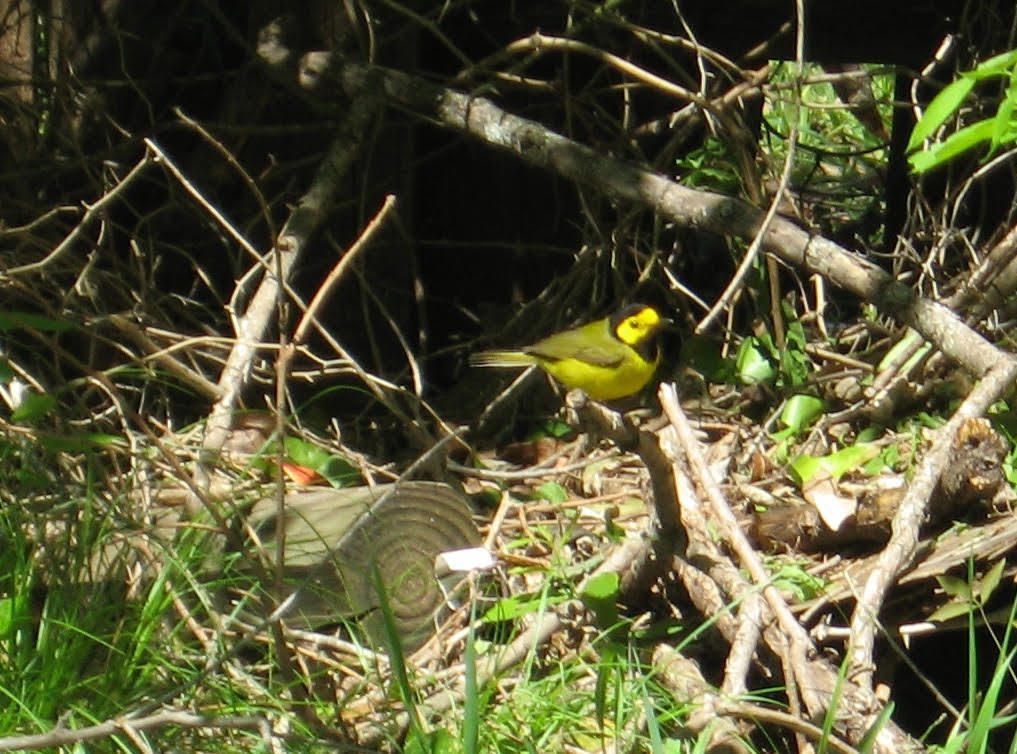
That all changed one crisp spring morning in 2009. It was a typical day in NW Austin, the kind where the Texas sun filters through live oaks, casting dappled shadows. I glanced out the window and spotted something unusual—a small, yellowish bird hopping along our fence line. It wasn’t like anything I’d seen before. Its movements were quick and deliberate, almost secretive, as it foraged among the leaves. Curiosity piqued, I grabbed my digital camera—a trusty companion from my lifelong love of photography—and crept outside. Sneaking close enough without startling it, I snapped a few shots. The bird had a striking black hood framing its bright yellow face, but I had no clue what it was.
This sighting was the spark. In that moment, birdwatching in Texas shifted from passive observation to active pursuit. I needed answers.
The Mystery Bird: My First Foray into Bird Identification
Back inside, I uploaded the photo to my computer and dove into the internet. Austin, I discovered, had a thriving birding community. I found the Travis Audubon Society (a local chapter of the National Audubon Society) and emailed them the picture, hoping for an expert opinion. Days passed, but no response came. Undeterred, I kept searching. That’s when I stumbled upon a birding blog focused on NW Austin sightings. The author, Mikael Behrens, seemed like a local expert documenting everything from urban warblers to rare migrants.
I shot him an email with the photo attached, explaining my backyard mystery. To my surprise, Mikael replied almost immediately: “That’s a Hooded Warbler!” A Hooded Warbler? I’d never heard of it. This neotropical migrant, with its bold black-and-yellow plumage, breeds in the eastern U.S. and winters in Central America. Spotting one in an Austin backyard was a treat, especially for a novice like me. Mikael’s enthusiasm was infectious—he introduced himself as a passionate birder and invited me to join one of his weekend bird walks at Lake Creek Trail, an urban greenbelt right in NW Austin.
Lake Creek Trail is a hidden gem for birding in Austin, winding through riparian habitats that attract everything from resident songbirds to seasonal visitors. Accepting the invitation felt like stepping into a new world. That bird walk in 2009 was my official entry point into avid birding.
The First Bird Walk: Hooked on the Hunt
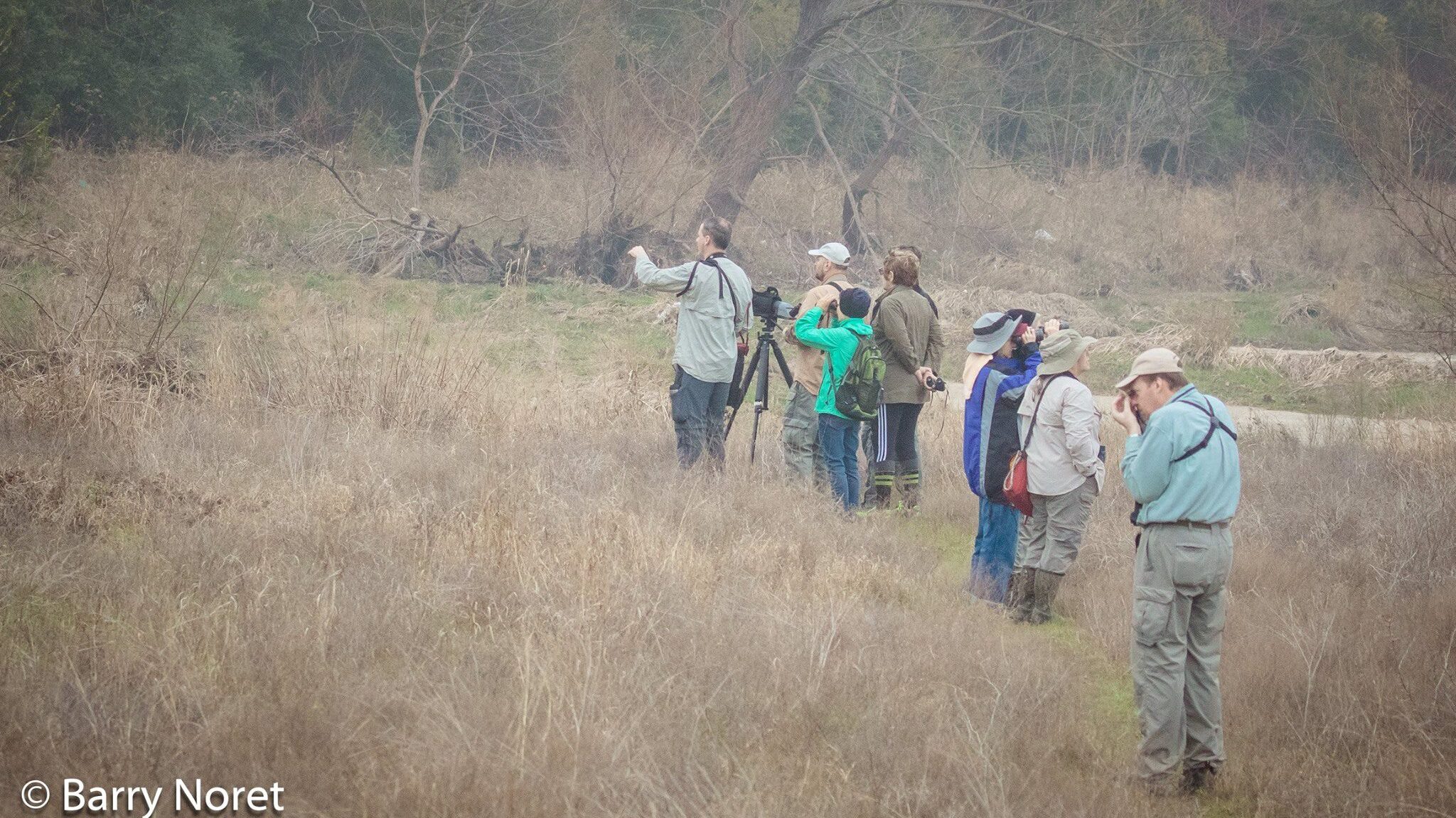
Arriving at Lake Creek Trail early one Saturday morning, I was nervous but excited. Mikael greeted me warmly, along with a small group of fellow birders armed with binoculars, field guides, and a spotting scope. As we strolled the trail, Mikael pointed out species I’d overlooked before: a belted kingfisher diving into the creek, a flock of cedar waxwings stripping berries from trees, and even a distant red-shouldered hawk circling overhead.
The Hooded Warbler sighting had opened my eyes, but this walk sealed the deal. We spotted warblers, vireos, and flycatchers—birds that migrated through Texas in waves, turning ordinary parks into avian hotspots. I learned about field marks, bird calls, and the thrill of the “life list.” By the end of the morning, I was hooked. Birding wasn’t just watching; it was an adventure, a puzzle, and a way to connect with nature in a bustling city.
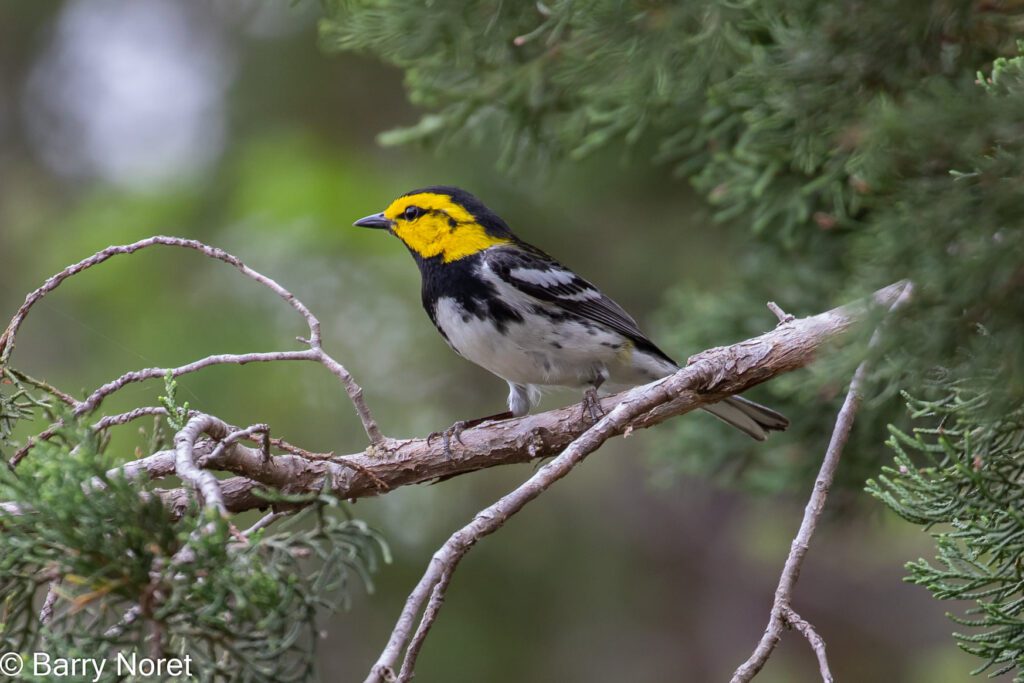
Combining this with my photography background was a natural fit. I’d been snapping photos since childhood—landscapes, portraits, you name it. Now, bird photography became my focus. Capturing that elusive shot of a warbler in flight or a sparrow in perfect light added layers of challenge and reward. Over the years, I’ve photographed gems like a Golden-cheeked Warbler at Lake Georgetown, its striking black-and-yellow plumage standing out against the juniper branches as it foraged high in the canopy. These moments fuel my passion and inspire me to share them with our Birds of Texas community.
The Birding Journey Unfolds: From Novice to Community Leader
Since that 2009 encounter, my birding journey has taken me across Texas and beyond. I’ve explored diverse habitats—from the coastal marshes of the Gulf Coast, where wintering waterfowl and whooping cranes gather at Aransas National Wildlife Refuge, to the piney woods of East Texas hosting red-cockaded woodpeckers. Austin’s central location makes it a perfect base for birding day trips, whether it’s chasing migrants at Balcones Canyonlands or spotting rarities during festivals like FeatherFest in Galveston.
One of the joys of birding in Texas is the sheer variety. With over 650 species recorded in the state, there’s always something new. I’ve joined annual events like the Laredo Birding Festival or the Port Aransas Whooping Crane Festival, connecting with fellow enthusiasts and learning from experts. These gatherings remind me of why I fell in love with birding: the community. Our Birds of Texas Facebook page, with over 100,000 members, is a testament to that— a space for sharing sightings, photos, and stories without the pressure of monetization.
As my skills grew, so did my mission. I launched birdsoftexas.com to extend that community online, offering resources like articles, checklists, and even bird-themed merchandise. It’s not just about spotting birds; it’s about inspiring others. For beginners, I recommend starting simple: Get a good pair of binoculars (8×42 is a solid choice for Texas birding), download apps like Merlin or eBird, and join local walks. SEO tip for aspiring birders: Search for “best birding spots in Austin” or “Texas migration hotspots” to plan your outings.
Sharing the Love: My Mission with Birds of Texas
Today, I’m on a mission to share this love far and wide. Through Birds of Texas, I plan to organize bird walks around the state and hard-core birding adventures far and wide. I’ve even dabbled in reviewing some the most exciting birding hotspots that Texas has offer and will continue to do so. And whether it’s recommending heated bird baths as holiday gifts for your feathered friends or creating tee shirts with punny taglines like “Hawk ‘n’ Roll,” it’s all about fostering joy.
Bird photography remains my core passion—capturing that perfect shot of an American pipit foraging in a neighborhood park or a northern cardinal in a cozy winter setting. These images not only document my journey but also connect with our community, driving traffic to birdsoftexas.com for more resources.
If you’re reading this as a member of Birds of Texas Facebook group, know that your pictures inspire me daily. Birding isn’t solitary; it’s communal. From my Iowa roots to Texas trails, it’s been a transformative ride.
So, what’s your story? How did you become an avid birder? Share in the comments below or on our Facebook page—I’d love to hear about your first “spark bird” or favorite Texas sighting. Let’s keep the conversation flying!
Happy Birding! -Barry Noret