

Sub-Total: $0.00

Who Is Watching the Birds? The Surprising Age Profile of American Birders
Here’s a number that might stop you in your tracks.
Ninety-six million Americans watched birds in 2022. That’s 37% of everyone in this country aged 16 and older. Not hikers. Not hunters. Not general nature enthusiasts. Bird watchers.
Birding isn’t a niche hobby quietly practiced by a handful of retirees with expensive binoculars. It is one of the most widely participated outdoor activities in the United States — and the numbers tell a fascinating story about who’s out there and why this community keeps growing.
The Average Birder Is 49 Years Old — And That’s a Feature, Not a Bug
According to the U.S. Fish & Wildlife Service’s 2022 National Survey of Fishing, Hunting, and Wildlife-Associated Recreation — the most comprehensive look at outdoor recreation in America — the average birder is 49 years old. Participation rates climb steadily with age, peaking among those 55 and older. Forty-four percent of all birders in the United States are over 55.
That makes sense when you think about it. Birding rewards patience, accumulated knowledge, and the willingness to slow down and pay attention. Those aren’t things you rush into at 22. They’re things you grow into.
Here’s how the birding community breaks down by generation:
| Generation | Age Range (2022) | Birders | Share of All Birders |
| Gen Z | 16–24 | ~10.8 million | ~11% |
| Millennials | 25–44 | ~28.9 million | ~30% |
| Gen X | 45–59 | ~28.9 million | ~30% |
| Baby Boomers Silent Generation | 60+ | ~27.4 million | ~29%* |
*Includes the 65+ cohort of 23.1 million — the single largest age group of birders in the country.
The 65+ Cohort: America’s Birding Backbone
The numbers are striking. Americans aged 65 and older represent 23.1 million birders — more than any other single age group. Participation rates for those 55 and older sit between 40 and 45%, meaning nearly half of all Americans in that age range watched birds at least once in 2022.
This isn’t surprising to anyone who’s spent time at a Texas wildlife refuge on a weekday morning. Experienced birders bring something irreplaceable: decades of accumulated knowledge about behavior, habitat, seasonal patterns, and the subtle field marks that separate a Hutton’s Vireo from a Ruby-crowned Kinglet. That knowledge doesn’t come from an app. It comes from years of watching.
The Rising Generation: Millennials and Gen Z Are Showing Up
Here’s the part of the story that should excite every birding community in Texas.
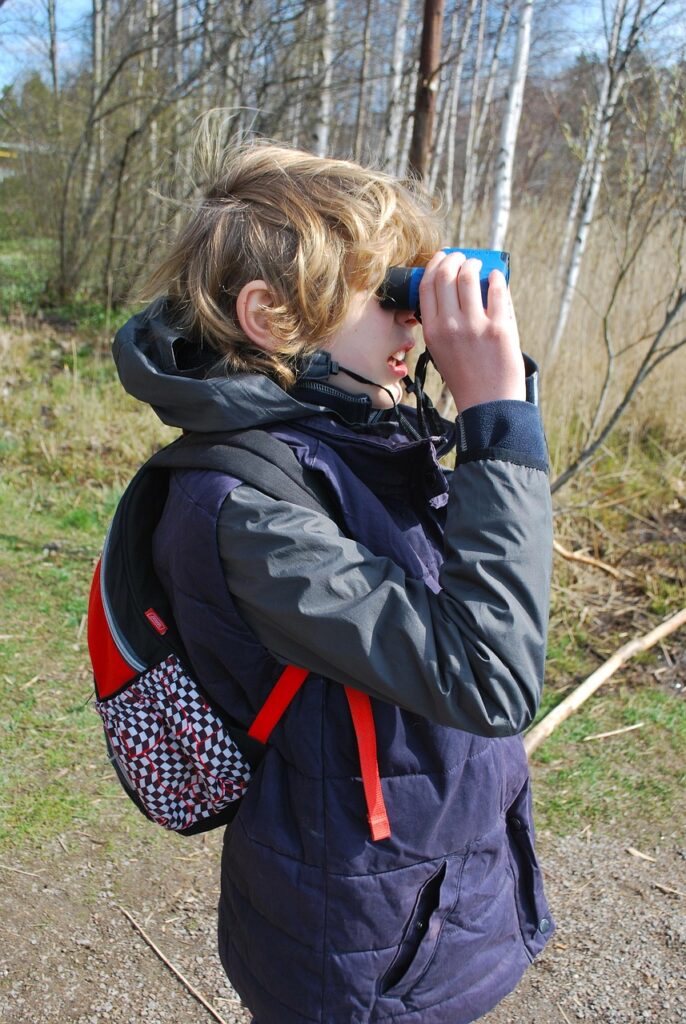
Millennials (ages 25–44 in 2022) account for 30% of all American birders — roughly 28.9 million people. Gen Z (16–24) adds another 10.8 million to the total. Together, younger birders represent a significant and growing share of the community.
The COVID-19 pandemic played a notable role. As millions of people found themselves at home, looking for accessible outdoor activity and connection with the natural world, bird feeders flew off the shelves, Merlin downloads spiked, and backyard birding became a genuine phenomenon for people who had never given it much thought. Many of those new birders stuck around.
Among younger and non-binary birders, the average age skews even younger — approximately 35 years old compared to the overall average of 49. The community is diversifying, and that’s good for birds.
Growth That Speaks for Itself
The long-term trajectory of birding in America is one of remarkable growth:
2011: 45 million birders
2016: 47 million birders
2022: 96 million birders
That’s more than a doubling in just over a decade. By 2026, that number has almost certainly continued to climb, driven by better apps, more accessible equipment, growing environmental awareness, and a cultural shift toward meaningful time outdoors.
For context: the number of people who watched birds in 2022 was larger than the number who hunted and fished combined. Birding isn’t a subculture. It’s a mainstream American pastime.

What This Means for Texas
Texas is, by any measure, one of the greatest birding destinations in the world. More than 650 confirmed species. The Central Flyway pouring millions of migrants through every spring and fall. Ecosystems ranging from Gulf Coast marshes to desert canyons to Hill Country cedar breaks, each with its own remarkable cast of characters.
The people showing up to experience all of that look increasingly like everyone — experienced retirees who have spent decades chasing life birds across the state, Millennials discovering the therapeutic power of a morning at the feeders, and Gen Z birders who found their way here through a Merlin app and stayed because they fell in love with what they heard.
That diversity is the future of this community. And if the last decade is any guide, the best years of American birding are still ahead.
Get outside, Texas. The birds are waiting. 🦅
Source: U.S. Fish & Wildlife Service, 2022 National Survey of Fishing, Hunting, and Wildlife-Associated Recreation