

Sub-Total: $0.00
What to Do If You Find an Injured Bird in Texas
It happens when you least expect it.
You’re walking to your car in the morning and there it is — a Northern Cardinal sitting motionless on the driveway, one wing held at the wrong angle. Or you’re out on the trail and a Mourning Dove flushes from the brush, flies three feet, and drops. Your instinct is to help immediately. That instinct is right. But how you help matters enormously.
Texas is home to over 650 bird species, and every one of them deserves a fighting chance. Here’s exactly what to do.
Step 1: Watch Before You Touch
I know it’s hard. But the most important thing you can do first is slow down and observe.
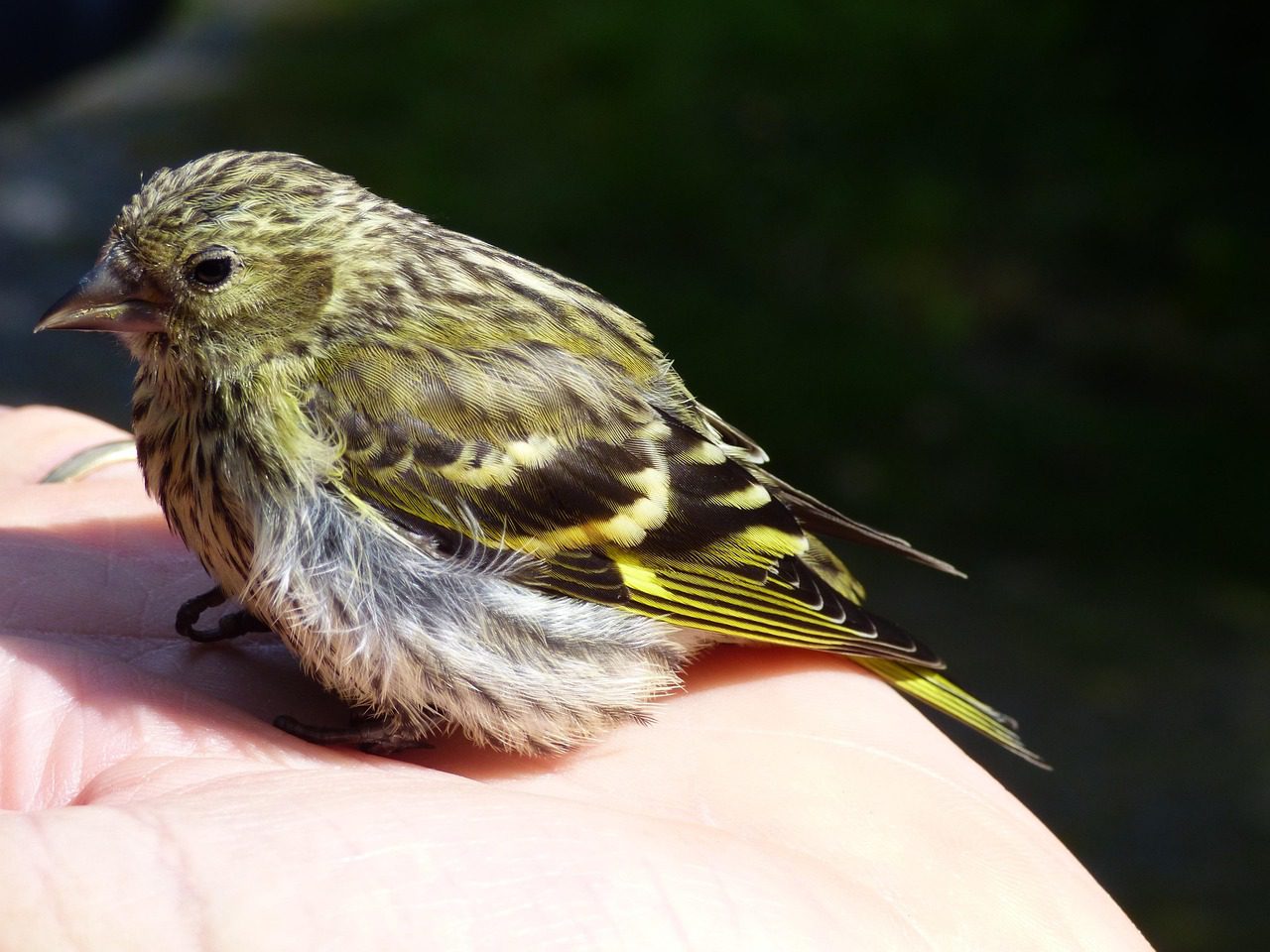
Not every bird on the ground is injured. Fledglings — young birds that have recently left the nest — spend several days on or near the ground while they build their flight muscles. They look helpless. They’re not. A young Blue Jay with a stubby tail hopping through your garden almost certainly has parents nearby, watching from the trees, waiting for you to leave.
Look for the signs that tell you intervention is necessary: visible bleeding, a wing drooping to one side, a bird that doesn’t move when you approach within a few feet, or fly eggs — small yellow clusters — on the feathers. If the bird is in immediate danger — in the street, near a cat, in direct sun on a hot Texas afternoon — move it gently to the nearest safe bush or shaded spot. But don’t take it far. Parents have ranges, and moving a bird too far removes it from their reach.
Observe. Breathe. Then decide.
Step 2: Contain It Calmly
If the bird is clearly injured and needs help, containment is your next step — and how you do it matters.
Drape a light towel gently over the bird to reduce stress. Darkness calms birds immediately. Carefully place it in a cardboard box or pet carrier lined with a soft cloth. Make sure the container has ventilation holes but isn’t drafty. Avoid wire cages — birds panic and injure themselves further on bare wire.
Once contained, keep the box dark, quiet, and away from pets, children, and noise. Don’t put it in direct sun, especially in a Texas summer when temperatures can spike dangerously fast inside an enclosed space.
Here’s something important: do not offer food or water. I know that feels wrong. But improper feeding — the wrong food, too much water, anything forced — can cause serious harm or even death. Leave that to the professionals. Your job right now is safe containment and warmth.
If you notice ants or flies on the bird, gently remove them. In Texas’s climate, insects can move quickly and worsen an already critical situation.
Step 3: Find a Licensed Rehabilitator
This is non-negotiable. In Texas, it is illegal to keep a wild bird without proper permits — even with the best intentions. Wildlife rehabilitators are licensed, trained, and equipped to give injured birds the medical care they need. You are not. Neither am I. That’s okay — knowing when to hand off is its own form of expertise.
Texas Parks and Wildlife maintains a county-by-county database of licensed wildlife rehabilitators across the state. Find it here: Texas Parks And Wildlife Rehabber List
Check your county and the counties around you. Rehabilitators are often volunteers with limited hours and species-specific permits — some specialize in raptors, others in songbirds or waterfowl. Call ahead before you show up. If you’re in the Coastal Bend region, be aware that some facilities have restricted intake policies due to ongoing avian influenza concerns — always confirm by phone first.
The sooner you make that call, the better the bird’s chances.
Step 4: Transport Quickly and Safely
You have a rehabber. Now get the bird there as fast as you reasonably can.
Keep the box closed during transport. I can’t stress this enough — opening the box to check on the bird, even briefly, spikes its stress levels and can send an already compromised animal into shock. Trust the darkness. Trust the quiet. It’s helping.
Maintain a stable temperature. On a hot Texas day, don’t leave the box in a closed car even for a moment. In cold or wet weather, you can place a heating pad set to its lowest setting under one half of the box — never directly under the whole floor, so the bird can move away from the heat if it needs to.
If you’re transporting after hours and need to keep the bird overnight, Rogers Wildlife Rehabilitation Center recommends the same principles: dark, warm, quiet, no food or water, minimal handling. Then deliver first thing in the morning.
Every hour matters. Get there as soon as you can.
Step 5: Follow Up and Pass It Forward
Once the bird is in professional hands, your job is done — and it was a good job.
Follow up with the rehabber in a few days if you’d like to know the outcome. Many will share updates, and hearing that a bird you rescued was released back into the wild is one of those moments that stays with you.
Then share your story. Not just for the likes — though the Birds of Texas community would love to hear it — but because your experience might be exactly what someone else needs to read six months from now when they find a bird on their driveway and don’t know what to do. Your moment of care becomes a small chain of care.
Texas’s birds need all of us paying attention. Keep your eyes open, keep this guide handy, and know that when the moment comes, you’ll be ready.
Happy birding, Texas. 🦅