

Sub-Total: $0.00
Limpkins Take Flight: My Long-Awaited Visit to Cullinan Park in Sugar Land
Hey fellow birders, Barry here from Birds of Texas. If you’ve been following my adventures, you know I’m always on the hunt for those special spots where nature surprises you right in the heart of suburbia. This past Friday, I finally checked off a hotspot that’s been lingering on my target list for over a year: Cullinan Park in Sugar Land, Texas. And let me tell you, it did not disappoint! I headed out specifically to photograph the Limpkins that have established a thriving population there, and I came away with some cool shots. But the park offered so much more, including a heart-pounding encounter with a female American Alligator and her brood of about a dozen babies. Let’s dive into why this urban oasis is a game-changer for Texas birding.
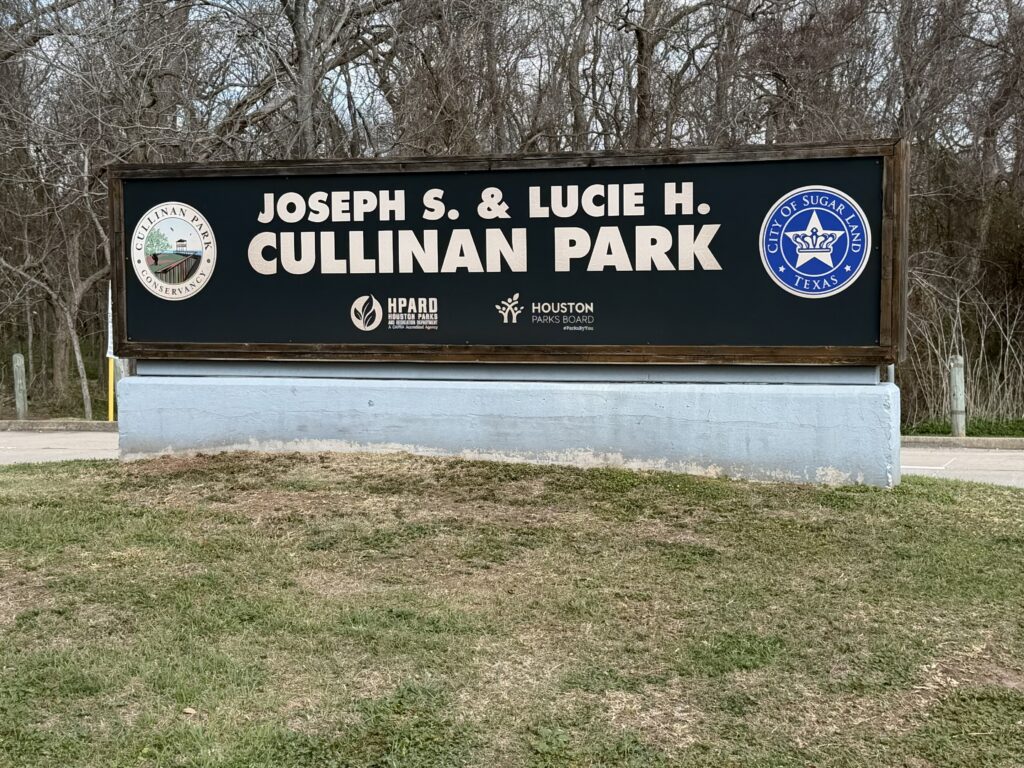
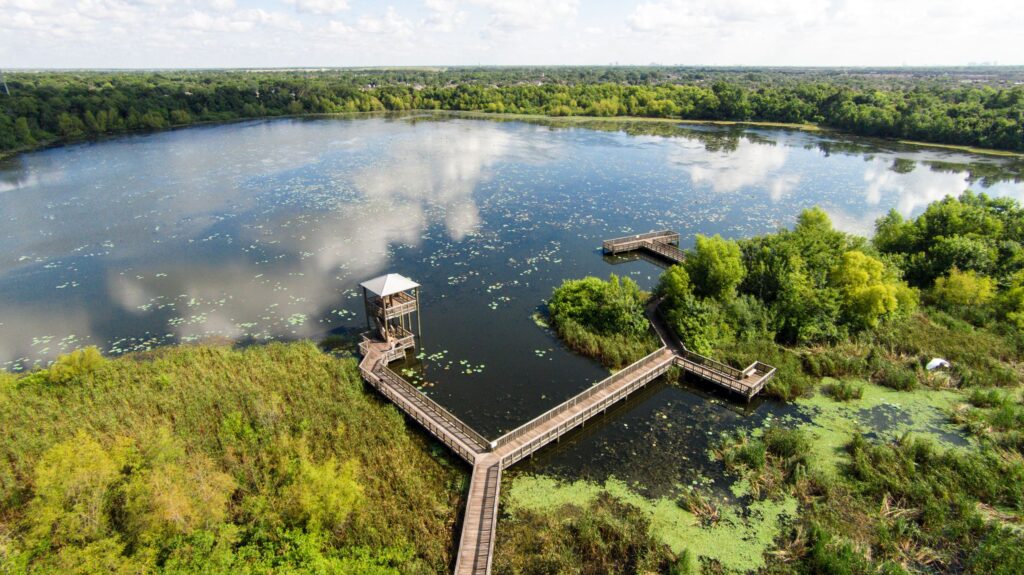
First, a bit of history to set the scene. Cullinan Park’s lands were originally settled back in 1828 by Alexander Hodge, one of Stephen F. Austin’s “Old Three Hundred” colonists who came to Texas for land grants. The area was used for raising livestock and crops in those early days. Fast forward to 1989, when the City of Houston, along with donations from the Brown Foundation and the estate of Nina Cullinan, acquired the property to create a nature preserve. Named after Joseph S. and Lucie H. Cullinan, the park spans an impressive 754 acres, featuring White Lake, Pumpkin Lake, and frontage along Oyster Creek. In 2016, Sugar Land annexed it, and today it’s managed by the Cullinan Park Conservancy, ensuring it’s a well-maintained haven for wildlife and visitors alike. What makes it such an urban birding hotspot? Its diverse habitats—prairies, woodlands, wetlands, and lakes—create a magnet for a wide variety of birds year-round. It’s part of the Texas Birding Trail (Katy Prairie Loop), and with over four miles of shady trails, boardwalks, and observation towers, it’s easy to spot everything from migrants to residents without venturing far from the city. Birders flock here almost daily, and the park’s known for rare sightings that keep things exciting.
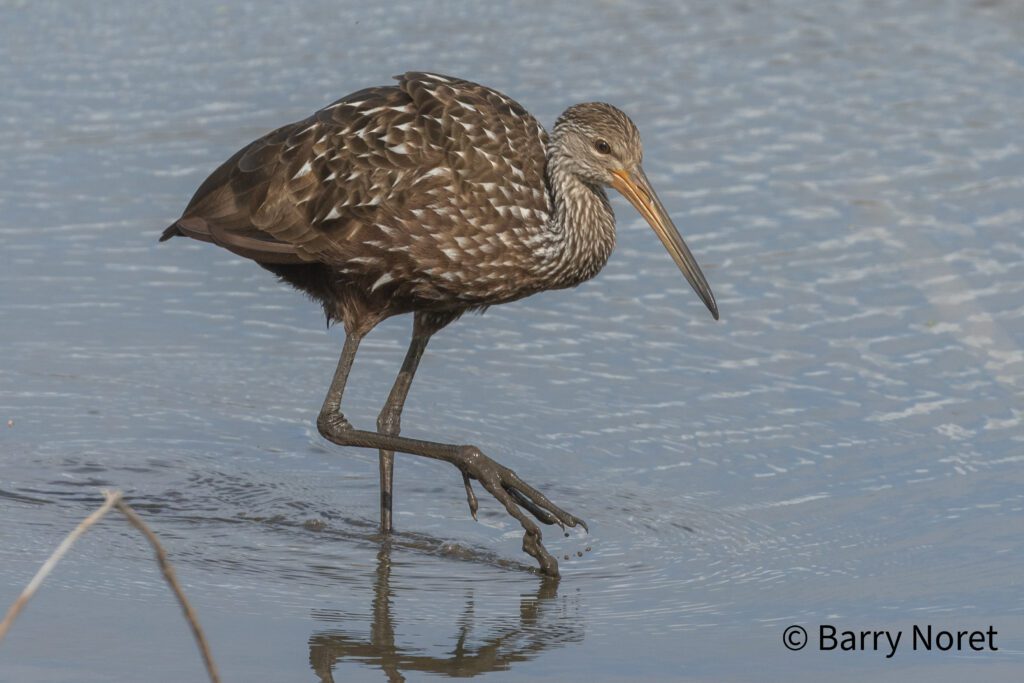
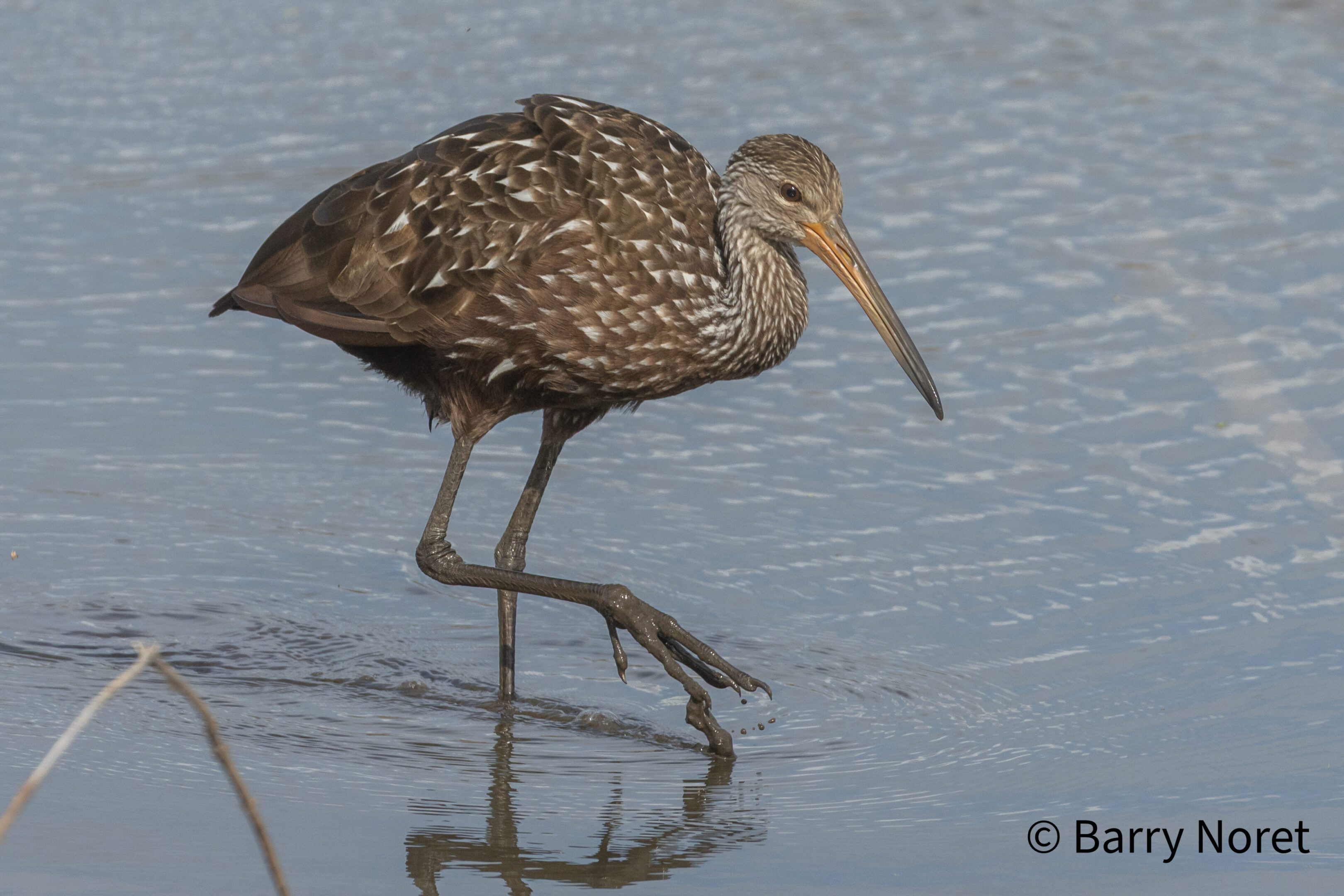
Now, onto the stars of my visit: the Limpkins. These quirky, long-billed birds, with their speckled brown plumage and wailing calls, are a staple in Florida wetlands, but they’ve only recently made Texas their home. The first confirmed Limpkin sighting in the state was in May 2021 at Brazos Bend State Park, sparked by the spread of invasive apple snails—their absolute favorite food. Since then, they’ve colonized areas around Houston and beyond, following the snails’ expansion into local waterways. At Cullinan Park specifically, Limpkins started showing up reliably around 2023, with reports of mating pairs and even babies by 2025. The abundance of apple snails in White Lake has turned this into a prime breeding ground, supporting a healthy, growing population.
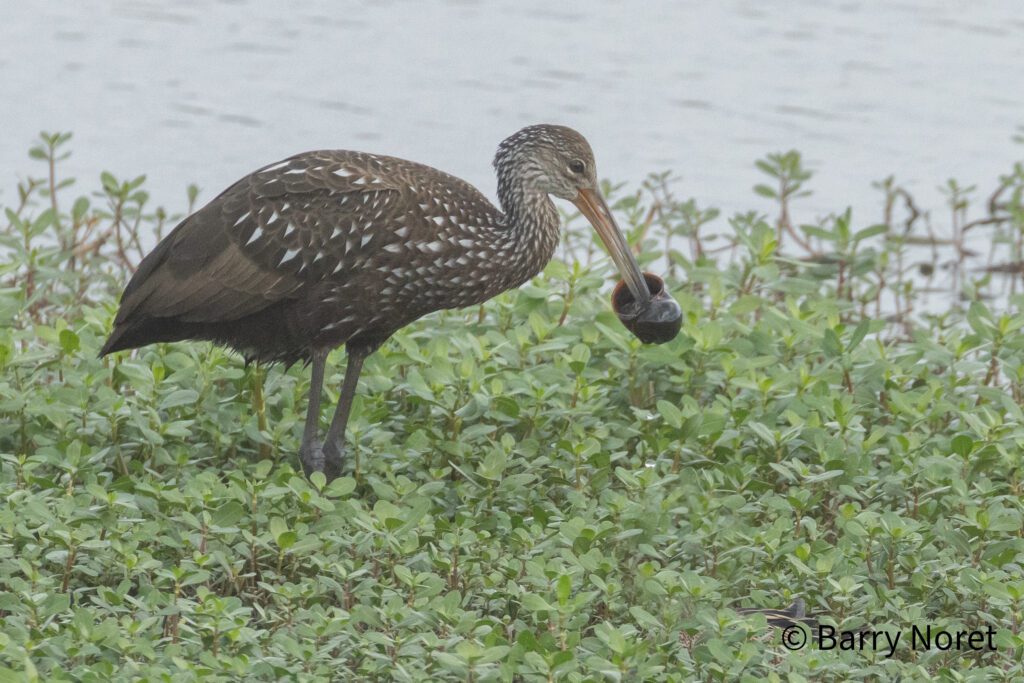
I arrived Friday mid-morning, camera in hand, and made a beeline for the boardwalk overlooking White Lake. Within minutes, I spotted several Limpkins foraging along the edges, prying open snails with their specialized bills. Their calls echoed across the water—a mix of eerie screams and grunts that added to the wild atmosphere. I managed to capture some fantastic action shots: one mid-stride through the shallows, another with a snail in its beak. It was thrilling to see these Florida natives thriving so far west, a testament to how ecosystems adapt (even if it involves invasives).
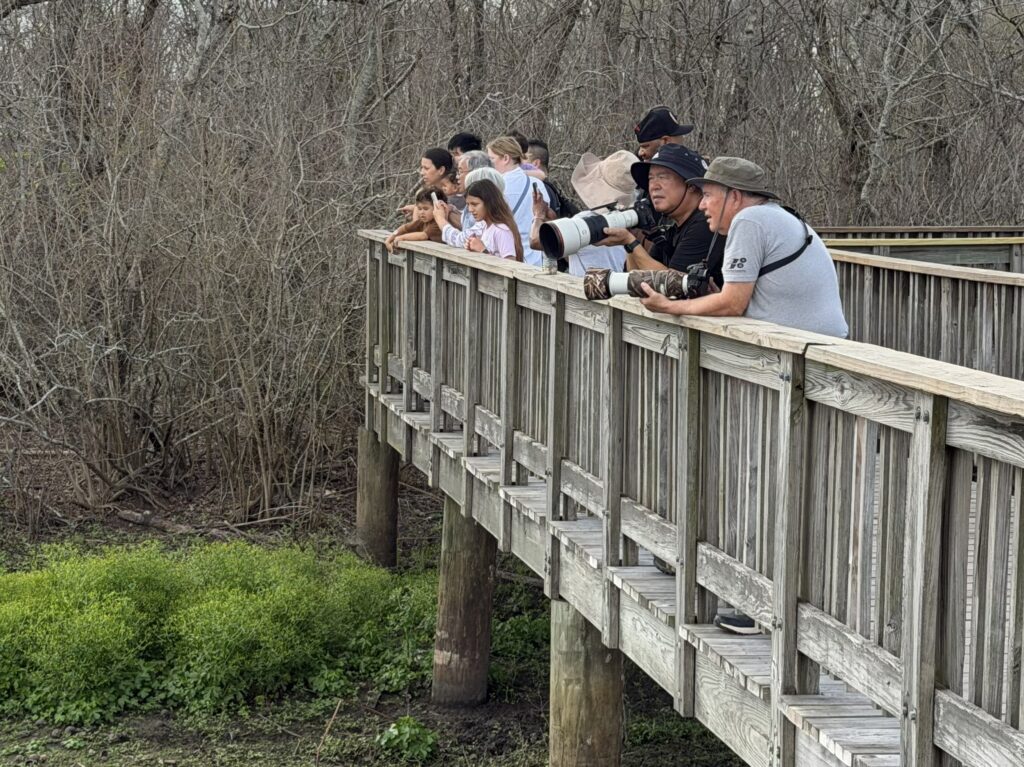
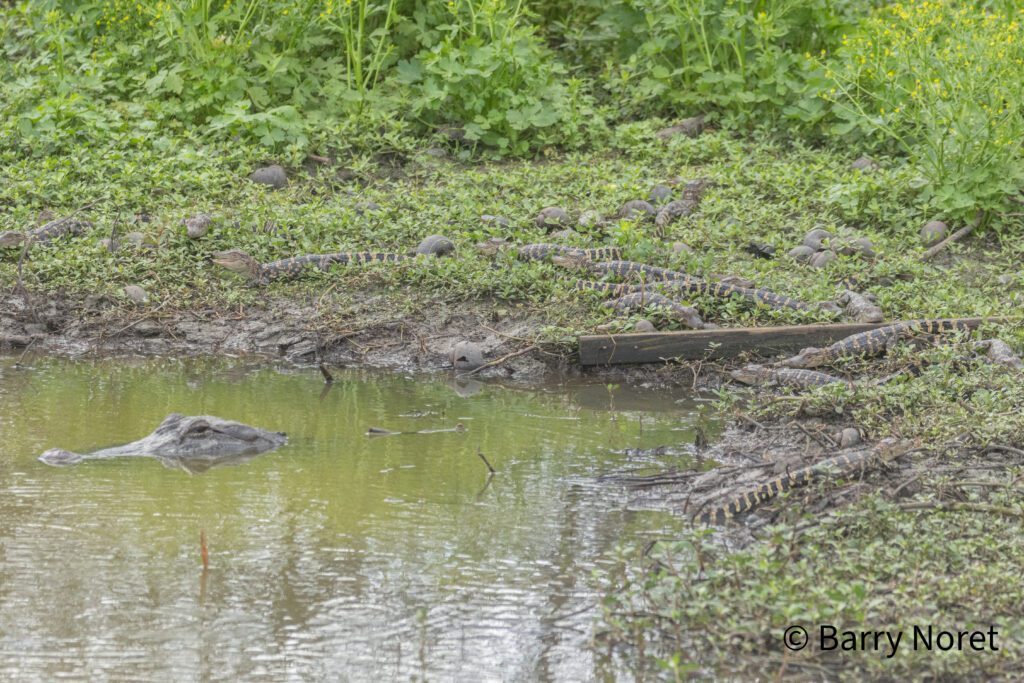
But the Limpkins weren’t the only highlight. As I walked the boardwalk, I stumbled upon a female American Alligator resting in her water hole with about a dozen tiny hatchlings sunbathing around her. They were no bigger than lizards, but they are masterfully camouflaged along the muddy weedy bank. Everyone kept a respectful distance, of course, but watching this protective mom and her babies was a real treat—pure Texas wildlife drama in an urban setting.
All in all, Cullinan Park exceeded my expectations. It’s the perfect blend of accessibility and wilderness, making it an ideal spot for photographers, families, or anyone needing a nature fix amid the hustle of Greater Houston. If Limpkins or alligators are on your list, get there soon—the population is booming, and who knows what else might show up next. Check the park’s website for updates, and happy birding!
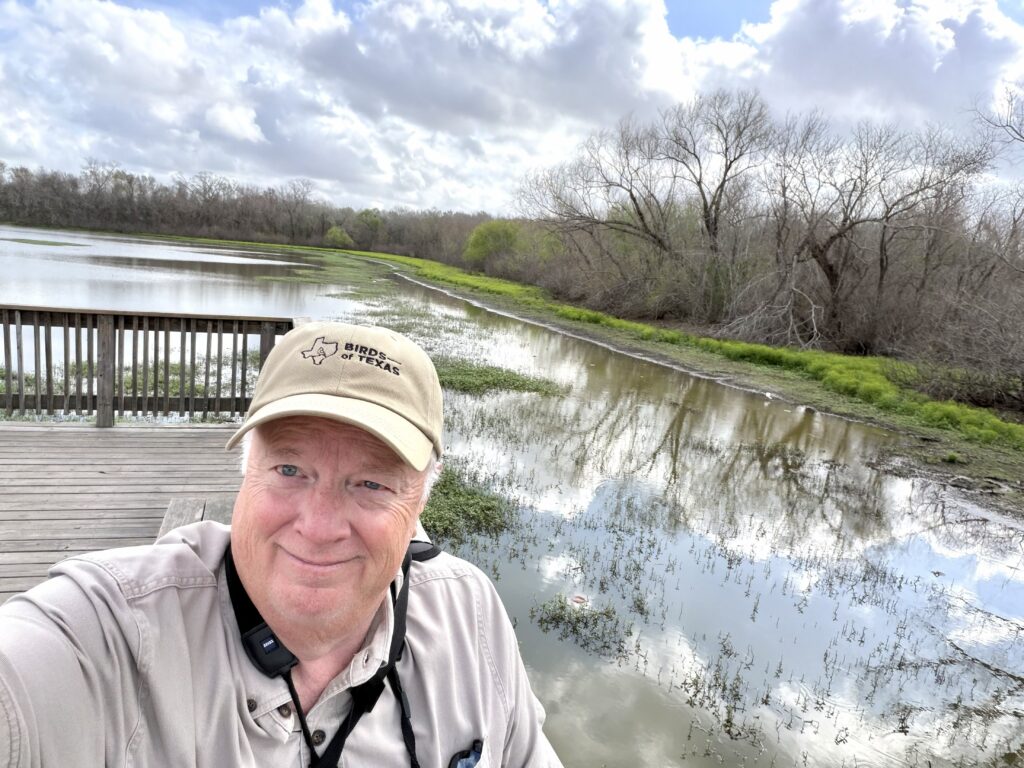
Until next time, keep your binoculars ready.
Barry
BirdsOfTexas.com
Thanks for the heads up. I’ll put it on my to see list.